
Be yourself, free your potential
Be yourself, free your potential
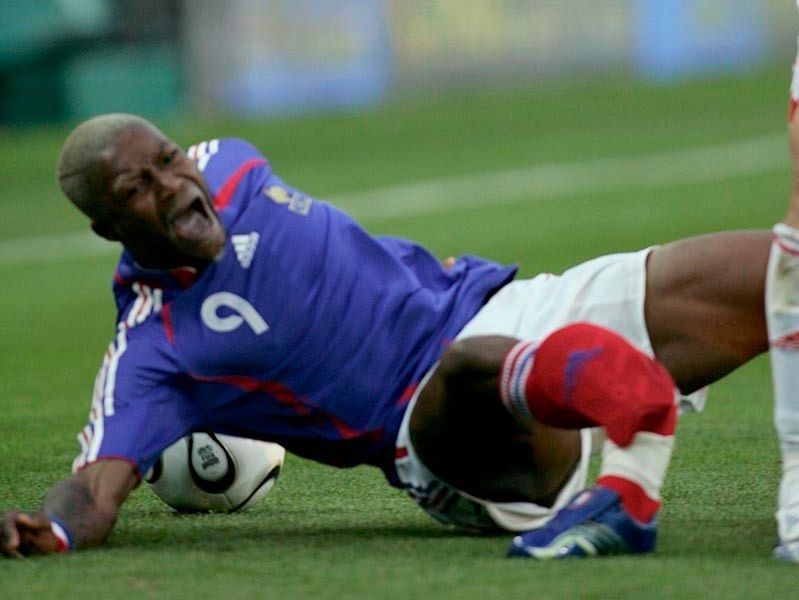
Why does the traditional approach drain your players' health and devalue their financial capital? In the highly competitive ecosystem of professional football, the reductionist, purely tech-driven approach is revealing its structural limits. While the financial value of players continues to rise, the cost of recurrent injuries and drops in performance represents a financial abyss for clubs and a direct threat to the assets of both athletes and their agents.
This article scientifically demonstrates how the classic model fails to address the complex, multifactorial nature of the human body—leading to underperformance, dramatic market devaluations, and avoidable psychological strain. By integrating the philosophy of emergence and the systemic vision advocated by O.P.O Consulting, footballers and agents can protect their health capital, unleash their athletic potential, and sustainably maximize their transfer market value.
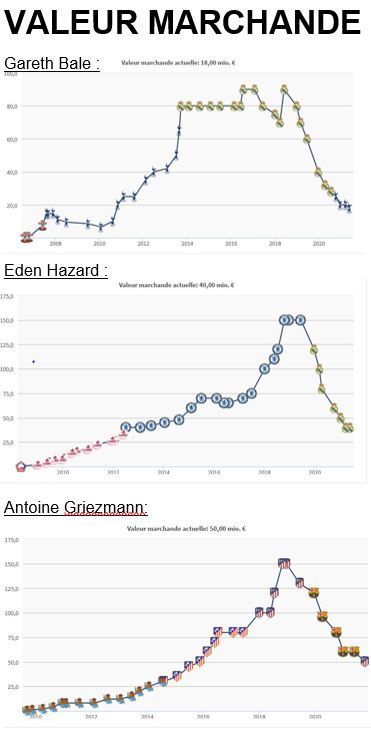
Market Value Trajectory Relative to Injuries
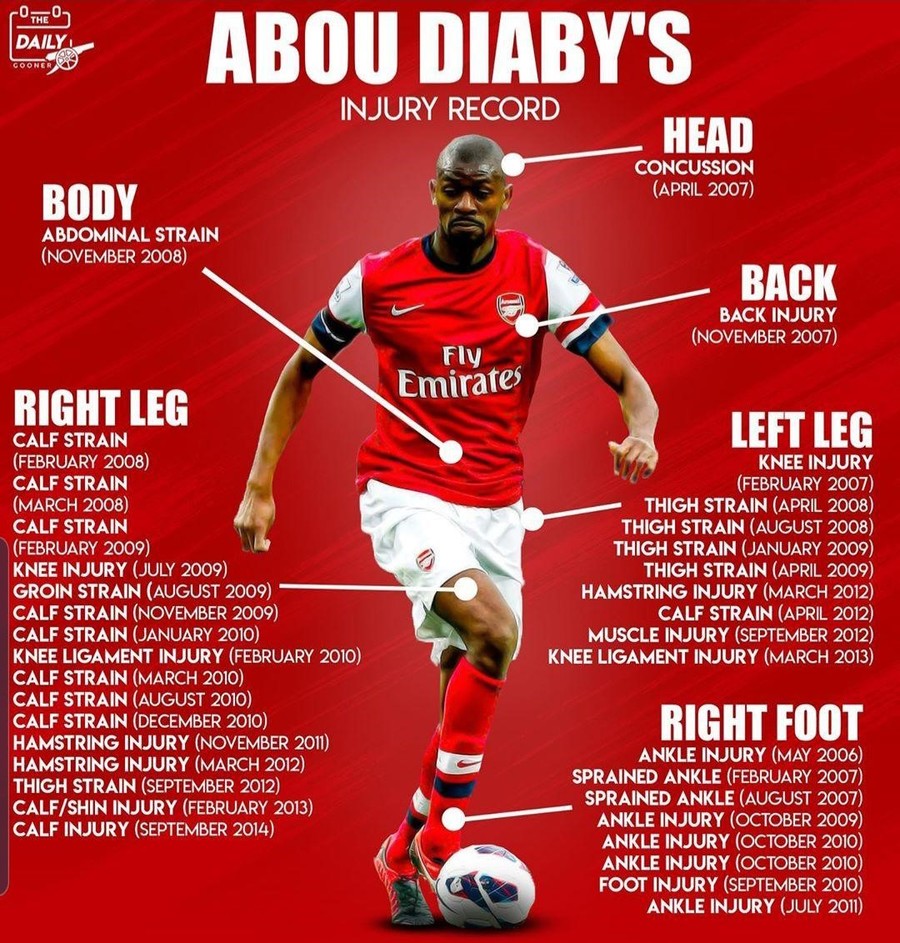
Abou Diabi Recurrent injuries

The O.P.O Consulting Approach
Elite sport has historically been the primary testing ground for scientific and technological breakthroughs.
Every organization constantly seeks the innovation that will give it an edge over the competition. However, despite massive investments in state-of-the-art equipment and increasingly specialized technical staffs, professional football faces a recurring crisis: recurring injuries and an inability to maintain peak performance over the long haul. Materialistic and disjunctive science has placed technology at the center of performance monitoring, but it has reached its limits. It offers a compartmentalized view of the human body, incapable of understanding the complexity of an individual within a multifactorial environment of infinite interrelations.
Today, the lack of lasting solutions to recurrent injuries penalizes players, destabilizes coaching staffs, and undermines the financial value of sports assets. For professional footballers stuck in a cycle of injuries or underperformance—and for agents eager to protect and enhance their player portfolio—a paradigm shift is imperative.
The traditional medical and athletic approach treats the human body like a compartmentalized machine. When an injury occurs, treatment focuses almost exclusively on the visible local symptom. The result? The underlying cause—often invisible and systemic—remains untouched, paving the way for relapses and chronic issues.
Financially, this lack of a systemic vision generates colossal losses for clubs and industry stakeholders:
Astronomical healthcare costs: In the Premier League (2016/2017 season), clubs spent over £177 million on injury management (a 12% increase from the previous year), covering a total of 713 recorded injuries.
The cost-per-injury paradox: Manchester City recorded a total injury cost of £18.3 million for just 30 injuries that season—the highest total in the league, averaging £500,000 more per injury than their direct competitors.
Direct correlation between injuries and results: Research from the UEFA Champions League Injury Study (Hägglund et al., 2013) shows a statistically significant correlation between the number of injuries in a squad and a decline in team performance.
The ITT (Injury Impact to Team) factor: Research by Kitman Labs reveals that professional teams spend an average of $10.7 million per season paying unavailable players.
For a professional footballer, spending time in the treatment room isn't just a physical ordeal: it is a abrupt halt in career progression and an accelerated erosion of fundamental athletic abilities.
For a player agent, an athlete's financial market value is directly tied to two major factors: availability on the pitch and consistency in performance. The classic approach’s failure to resolve underlying issues triggers sharp devaluations, representing a massive loss in potential transfer commissions and contract negotiations.
Modern football offers striking examples of this drop in value:
Gareth Bale: Signed for €101M by Real Madrid, 21 consecutive injuries saw his market value plummet to €20M, turning him in the eyes of the market into an unwanted asset despite team achievements.
Eden Hazard: Bought for €115M, his value collapsed to €40M in just two years. Physical fragility—which the medical staff struggled to diagnose root causes for—resulted in only 4 goals in 40 matches out of a potential 120 appearances.
Neymar Jr at PSG: With over 467 cumulative days missed and more than €47M in salaries paid during his injury periods, recurring injuries degraded his market value (dropping to €110M), while fueling frustration, anxiety, and on-field disciplinary issues.
WHAT AGENTS NEED TO REALIZE:
Your player's market value is not set in stone. It fluctuates with their overall health and athletic expression. By addressing the root causes of fragility or underperformance, you secure their athletic capital, restore their market value (Transfermarkt), and significantly optimize returns during transfers and contract renewals.
Why do traditional protocols fail to prevent these issues? Because they neglect the human, psychological, and systemic dimensions of the individual.
Invisible traumas and psychological costs:Conventional scientific care focuses on direct tissue injury. However, long or repeated injuries create chronic stress and anxiety that disrupt the rehabilitation process.
The fear of reinjury and feelings of injustice create a negative spiral from which many players never fully recover.
Transfer pressure and fear of failure restrict on-pitch performance.
Tragic cases of stalled or derailed careers (such as Abou Diaby following uncompensated cranial/spinal trauma, or Djibril Cissé) illustrate the failure of classic treatments to free the body from functional and systemic sequelae.
The lack of holistic human care can lead to true clinical depression (e.g., Gregory van der Wiel), risky behaviors, or addictions that ruin an athlete's health.
THE O.P.O CONSULTING RESPONSE: Emergence and Potential Optimization
At O.P.O Consulting, we do not rely on surface-level fixes or tech gimmicks. After 15 years of R&D, we developed a methodology grounded in the philosophy of emergence and complex systems theory. By bringing together multidisciplinary experts (D.O. osteopaths, posturologists, motor development specialists, performance psychologists), O.P.O allows you to:
Uncover invisible limiting factors: Address tissue micro-mobility, movement fluidity, and neuro-functional locks that standard imaging (MRIs, scans) cannot detect.
Restore peace of mind and unleash athletic expression: Provide holistic care for the person behind the player to eliminate performance anxiety and reinjury fears.
Sustain performance and maximize market value: Ensure a safe, lasting return to competition, reduce relapse rates to zero, and empower the player to express their full potential.
Professional footballers and sports agents: continuing to rely solely on the traditional model means accepting injuries as fate, enduring declining performances, and accepting massive financial devaluation. Sustainable success requires staying a step ahead. O.P.O Consulting offers a strategic, tailored partnership alongside your existing staff to safeguard athlete health, unlock athletic potential, and drive market value upward.
👉 Are you a professional player looking to end the cycle of recurring injuries?
👉 Are you an agent seeking to protect your assets' market value and maximize career opportunities?
Contact O.P.O Consulting today for a customized evaluation and explore our 4-day discovery package. Take advantage of having Loïc Aumont, founder of the O.P.O method, work directly with your team. He will deliver a comprehensive analysis and guide you onto the path of recovery and career resurgence.
It is time to see how our approach can transform your athletic and financial future.
PLEASE NOTE: Selection interview required. Highly selective offer. We look for very specific candidate profiles. Applicants are advised to arrive with a clear request, ready-to-activate resources, and strong motivation. Your current level does not guarantee selection—your ability to work with trust and complete transparency does!
SUBMIT YOUR APPLICATION HERE: contact@opo-consulting.com
Scientific Sources and References
- Whiteley R. (2015). 'Moneyball' and time to be honest about preseason screening: it is a sham making no inroads on the 1 billion dollar injury costs in baseball. Br J Sports Med.
- Krutsch W., Memmel C., Alt V., et al. (2021). Timing return-to-competition: a prospective registration of 45 different types of severe injuries in Germany's highest football league. Arch Orthop Trauma Surg.
- JLT Specialty. (2017). Injury time: injuries cost Premier League clubs £177M during last season. Press Release.
- Hägglund M., Waldén M., Magnusson H., et al. (2013). Injuries affect team performance negatively in professional football: an 11-year follow-up of the UEFA Champions League injury study. Br J Sports Med, 47:738-42.
- KPMG Football Benchmark. (2021). The European Elite 2021: Football Clubs' Valuation Report.
- Coles P. A. (2018). An injury prevention pyramid for elite sports teams. British Journal of Sports Medicine, 52:1008-1010.
- Kitman Labs. (2020). The Injury Impact to Team (ITT) Factor in Professional Sports.
- Covassin T., Beidler E., Ostrowski J., Wallace J. (2015). Psychosocial aspects of rehabilitation in sports. Clin Sports Med, 34(2):199-212.
- Glazier P. S., Davids K. (2009). Constraints on the complete optimization of human motion. Sports Med, 39:15-28.
- Hurley O. A. (2016). Impact of Player Injuries on Teams' Mental States, and Subsequent Performances. Front Psychol, 7:807.
- Hsu C. J., Meierbachtol A., George S. Z., Chmielewski T. L. (2017). Fear of Reinjury in Athletes. Sports Health, 9(2):162-167.
- Guzmán J., Esmail R., Karjalainen K., et al. (2002). Multidisciplinary bio-psycho-social rehabilitation for chronic low back pain. Cochrane Database Syst Rev.
- Rhudy J. L., Meagher M. W. (2000). Fear and anxiety: divergent effects on human pain thresholds. Pain, 84:65-75.
For all the latest news from O.P.O,
subscribe to the newsletter