
Be yourself, free your potential
Be yourself, free your potential
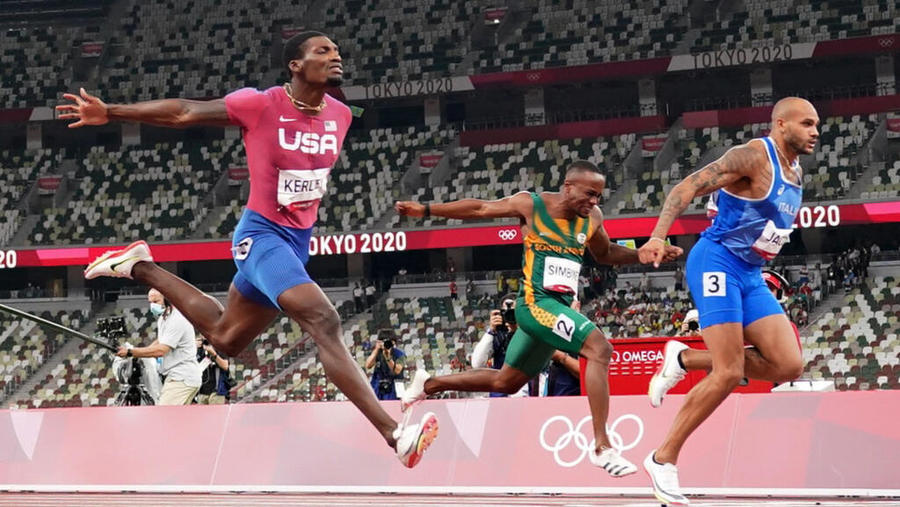
Jacobs Olympic Champion 2020
Lamont Marcell Jacobs: A King Without a Fixed Crown in World Athletics — Why Symptomatic Curative Medicine Reaches Its Limits
Olympic champion in Tokyo in 2021, Lamont Marcell Jacobs embodies exceptional physical and technical potential. Yet, his career resembles a rollercoaster marked by recurrent muscle setbacks. Following another premature stoppage in the European Championships final in Birmingham, this article analyzes Jacobs’s athletic record, questions the emergency medical strategy (such as injections by Dr. Müller-Wohlfahrt) favored by the elite, and presents a deeper, more preventive approach: Optimizing Original Potential (O.P.O).
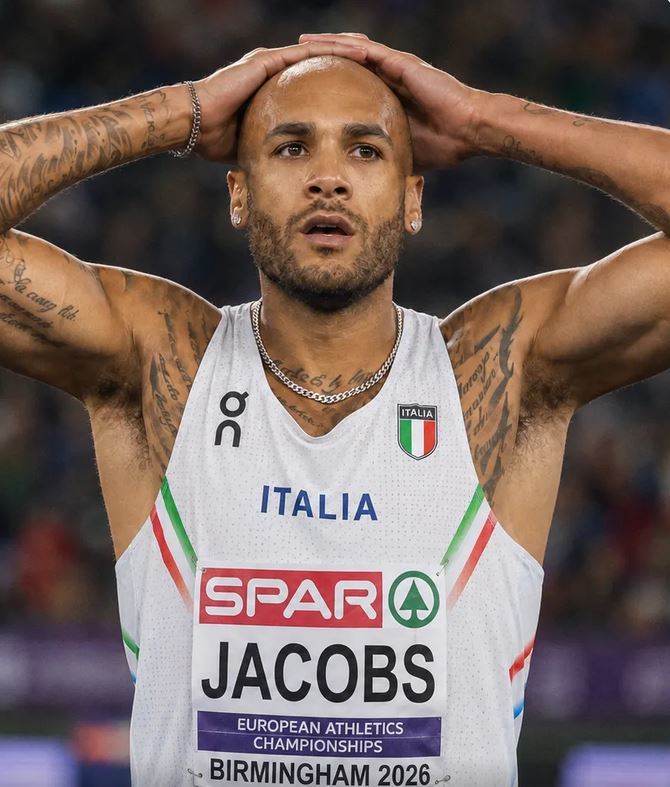
Jacobs European Championship 2026
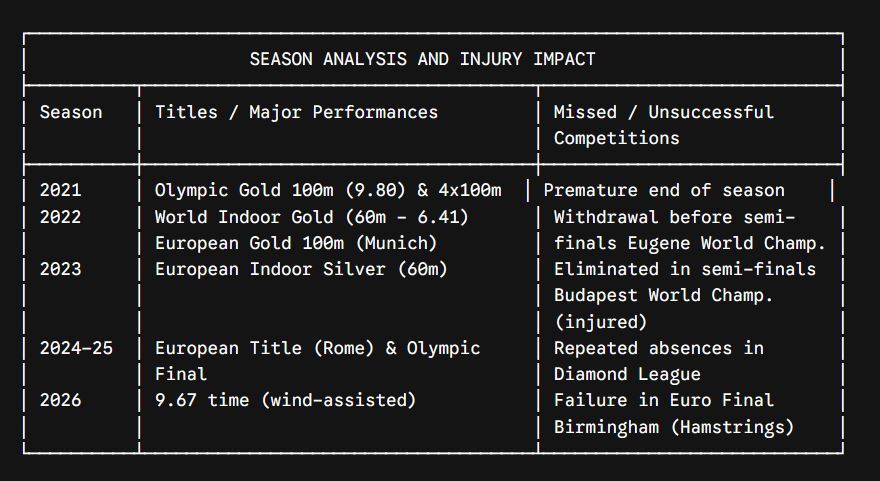
Season analysis and injury impact (Jacobs)
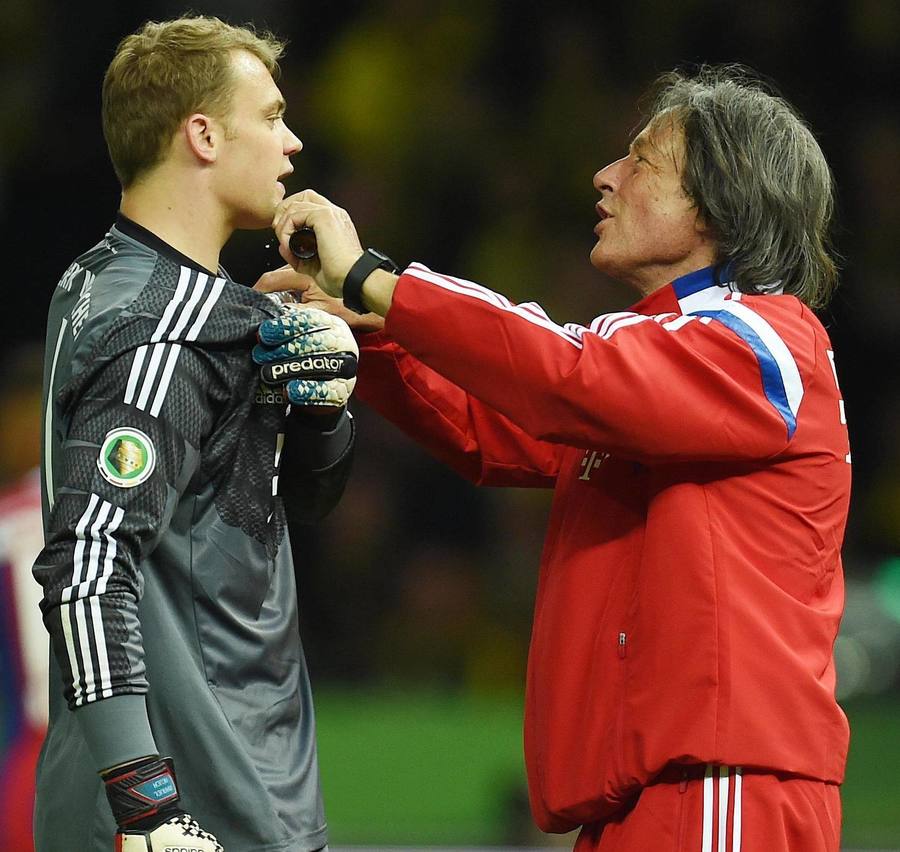
Nauer and Dr Müller (Bayern Munich)
The modern history of the 100 meters is filled with flashes of pure mechanical genius. Lamont Marcell Jacobs, a former long jumper turned ruler of European and world sprinting, possesses all the qualities of a phenomenon: tall stature, remarkable stride length, impeccable technical control, and a refreshing humility.
Yet, consistency continues to elude him. Just this week at the European Athletics Championships in Birmingham, Jacobs entered as the overwhelming favorite, backed by a blazing 9.67-second performance (+2.5 m/s wind) earlier in the season. But in the final, the Italian sprinter gradually lost his form before pulling up at the 60-meter mark, allowing Britain’s Romell Glave to claim victory in 10.09 seconds. It was a bitter final—one well within his reach—marred by another hamstring scare.
Visually, even before pulling up, his stride lacked fluidity: a slightly robotic movement and a lack of engagement in his left leg, betraying underlying apprehension, compensatory muscle tension, or neuromuscular fatigue. While these signs may seem subtle to many, they often foreshadow an impending injury. Sprinting is an unforgiving discipline that demands total commitment from both body and mind. Seeing these warning signs means taking ACTION before it is too late!
Looking at his official profile on the World Athletics (IAAF) website, Lamont Marcell Jacobs’s track record commands respect:
Analyzing his frequency of appearances on the international circuit reveals a striking trend: Jacobs struggles to string together more than 3 or 4 high-level races without triggering a physical alarm bell (muscle strain, compensatory tightness, sciatic discomfort, or tendon pain). This lack of continuity directly impacts his overall performance level and feeds a cycle of psychomotor apprehension.
While sprinting is undeniably an extremely demanding sport, some athletes handle the physical stress better and manage to execute more races without injury. The core question is why, and what can be done to improve the situation. Marcell Jacobs himself would surely be the first interested in solving these recurring issues. He has already changed his technical staff when hitting a wall—proof that he is actively seeking answers.
In 2023, during a trip to Munich shortly before the World Championships in Budapest, I had the opportunity to cross paths with Marcell Jacobs alongside another giant of Italian athletics, Gianmarco Tamberi. Both were visiting the famous Doctor Hans-Wilhelm Müller-Wohlfahrt, a iconic figure in world sports medicine and former team doctor for FC Bayern Munich and the German national football team (Die Mannschaft).
In his clinic in central Munich (Alter Hof), nicknamed "Healing Hans" by the British press, the biggest names in sports pass through the doors: Usain Bolt (who dedicated his 2012 and 2016 Olympic gold medals to him), Boris Becker, Cristiano Ronaldo, and even music legends like Bono and Eric Clapton.
As he describes in his autobiography Mit den Händen sehen ("Seeing with Hands"), Dr. Müller-Wohlfahrt built a legendary reputation through an extraordinary tactile sensitivity, capable of detecting micro-lesions in muscles that MRI scans miss. His official philosophy centers on the medical principle primum non nocere ("first, do no harm"), avoiding cortisone and synthetic painkillers in favor of homeopathic remedies, biological preparations (such as Myo-Melcain, based on procaine and honey), or intramuscular injections derived from calf blood extract (Actovegin).
A SUBJECT OF CONTROVERSY WITHIN EVIDENCE-BASED MEDECINE
While athletes place blind trust in his practice, the broader medical community and proponents of Evidence-Based Medicine view his methods with significant skepticism:
Pronounced Medical Skepticism: In Germany and internationally, many sports doctors and orthopedists question the scientific efficacy of his injection cocktails (particularly claims regarding accelerated cellular regeneration via blood extracts), viewing them more as a placebo effect or temporary relief rather than clinically proven treatments.
Clash with Modern Rigor: His famous rift with Pep Guardiola at FC Bayern Munich highlights this clash of cultures: traditional medicine based on intuition and palpation versus modern sports science demanding strict, measurable recovery protocols.
The Danger of "Masking" the Signal: Even though these injections target local biological reactions without using cortisone, they create a numbing effect or early suppression of pain. By shutting off the body’s warning system without correcting the underlying biomechanical dysfunction, the athlete is rushed back onto the track, significantly increasing the risk of relapse over time.
WHY DO SO MANY ATHLETES GET CAUGHT IN THIS CYCLE ?
The Urgency of the Schedule: Weeks away from a major competition, athletes do not have the time to rebuild their motor patterns; they seek an immediate "miracle cure." Pressed by time as well as sporting and financial stakes, temptation overcomes long-term logic.
Social Proof: "If Usain Bolt and the world’s greatest champions go there, it must be the only way." Yet, even though Usain Bolt is the fastest man in history, one may wonder whether he could have run even faster with a different support system. His career ended on a tragic note, pulled up with a thigh injury during the 4x100m relay at the 2017 London World Championships, rather than with a gold medal around his neck—recalling that he was grieving the loss of a close friend and ill-prepared for his final competition.
Habituation to the Curative Model: A worldview where the body is seen as a machine with defective parts to be replaced or repaired, rather than addressing the root cause of the breakdown. This model treats the body as a mechanism to fix while ignoring context, stress, and psychological factors behind non-performance.
Faced with this spiral of symptomatic interventions, Loïc Aumont and O.P.O. Consulting (Optimization of Original Potential) propose a paradigm shift.
The goal is not to dismiss conventional allopathic medicine or emergency care, which serve a valid curative purpose. Rather, the objective is to highlight their limitations when they become the sole response to recurring injuries.
Instead of trying to silence the alarm (the hamstring pain), the O.P.O method addresses the root cause of the tension:
Through prevention and the re-harmonization of global kinetic chains, O.P.O offers a non-normative, liberating response. It is not about forcing the body into a rigid theoretical mold or piling on quick-fix treatments, but about restoring its original amplitude, efficiency, and natural fluidity.
- - - - - - - - - - - - - - - - - - - - - - - - - - - - - - - - - - - - - - - - - - - - - - - - - - - - - - - - - - - - - -- - - - - - - - - - - - - - - - - - - - - - - - - - - - - - - - - - - - - - - - - - - - - - - - - - - - - - - - - - - - - - - - - - - - - - - - - -
In conclusion, Lamont Marcell Jacobs is an exceptional athlete—humble and deeply committed to self-improvement. Mentally resilient, he consistently proves his ability to deliver on the biggest stages against all odds. However, his immense potential will continue to hit a glass ceiling as long as the response to his injuries remains strictly curative, local, and focused on symptoms. Collaborating with him, his agent, or his technical team would be an honor and an exciting challenge for O.P.O. Consulting.
DISCOVER O.P.O. AND RETURN TO THE TOP: "The Paths of Resurrection"
To meet the needs of high-level athletes trapped in cycles of recurrent injuries or labeled as "fragile," O.P.O. Consulting offers a tailored program:
SOURCES:
World Athletics - Official Athlete Profile
Olympics.com News & European Athletics Official Results
Müller-Wohlfahrt, H.-W., Ueblacker, P., & Hänsel, L. Muskelverletzungen im Sport ("Blessures musculaires dans le sport"). Thieme Verlag, 2. Édition, 2014 (ISBN : 978-3-13-146752-2).
Müller-Wohlfahrt, Hans-Wilhelm. Mit den Händen sehen: Mein Leben und meine Medizin ("Voir avec les mains : Ma vie et ma médecine"). Insel Verlag, 2018 (ISBN : 978-3-458-17736-4).
MW-Ortho Munich
Wikipedia Deutschland - Müller-Wohlfahrt
"Der Wunderdoktor" (Spiegel Online, 2015) ; "Müller-Wohlfahrt: Der Arzt, dem die Fußballstars vertrauen" (Der Westen/ResearchBlog).
Marcell Jabobs and the fragile power of Greatness
Aumont, Loïc. The Fundamental Principles of Optimizing Original Potential (O.P.O) (forthcoming).
Pour connaître toutes les dernières actualités d'O.P.O,
inscrivez-vous à la newsletter.